
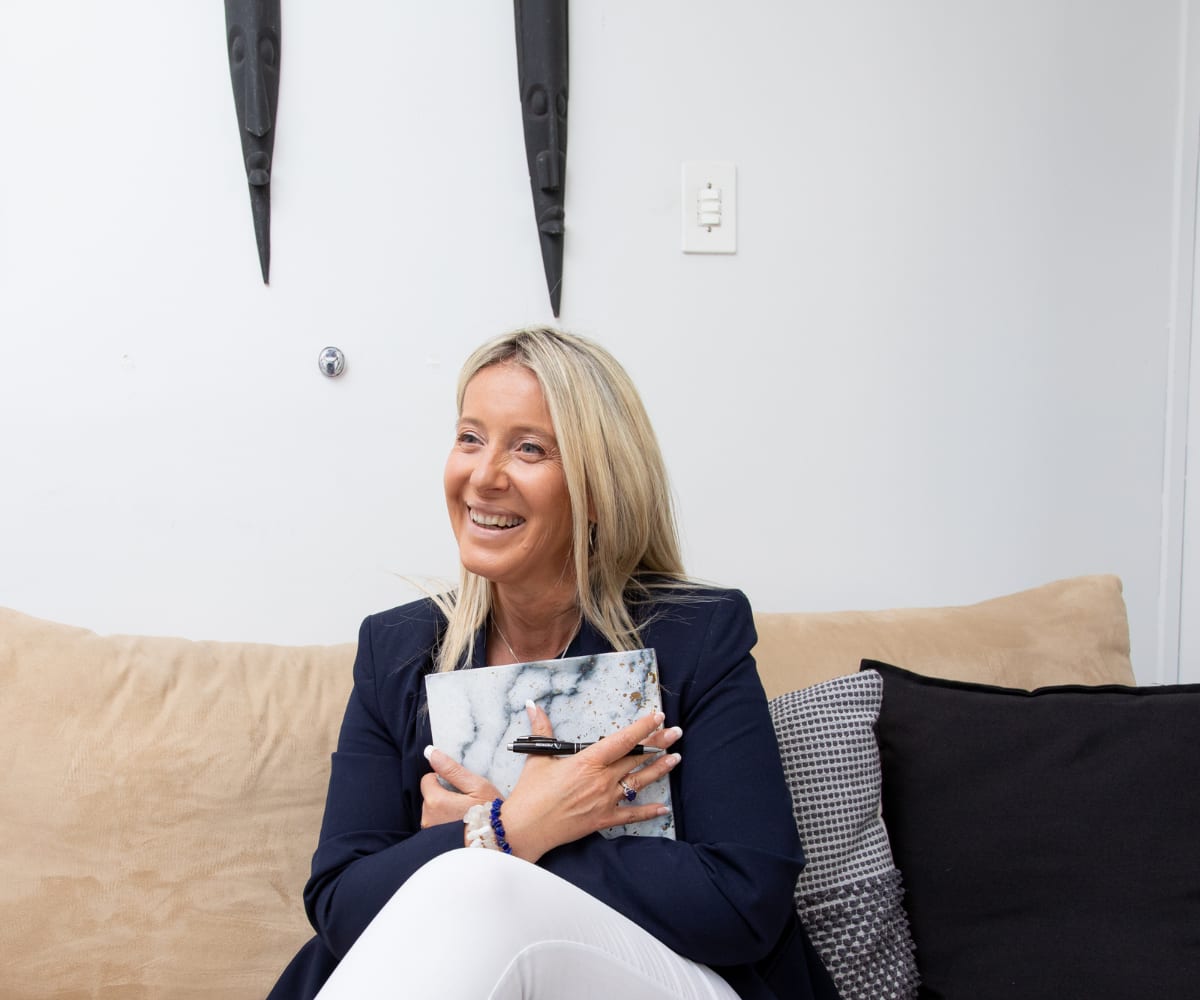
Somatic Neuroplasticity: a guided mind-body wellbeing practice
Somatic Neuroplasticity is Wings & Me’s guided personal-development approach combining body awareness, reflection and experiential exercises. Sessions invite clients to notice body sensations, explore habitual patterns and practise new responses in support of personal goals and wellbeing.
Support personal wellbeing, reflection and relaxation
It is not a medical rehabilitation programme, psychological diagnosis or substitute for treatment by a registered healthcare professional.
Support personal wellbeing, reflection and relaxation; not a substitute for clinical care.
Somatic Neuroplasticity: a guided mind-body wellbeing practice
Somatic Neuroplasticity is Wings & Me’s guided personal-development approach combining body awareness, reflection and experiential exercises. Sessions invite clients to notice body sensations, explore habitual patterns and practise new responses in support of personal goals and wellbeing.
It is not a medical rehabilitation programme, psychological diagnosis or substitute for treatment by a registered healthcare professional.
This page describes a complementary wellbeing and personal-development practice. It does not claim to diagnose, treat, cure or prevent medical or psychological conditions.
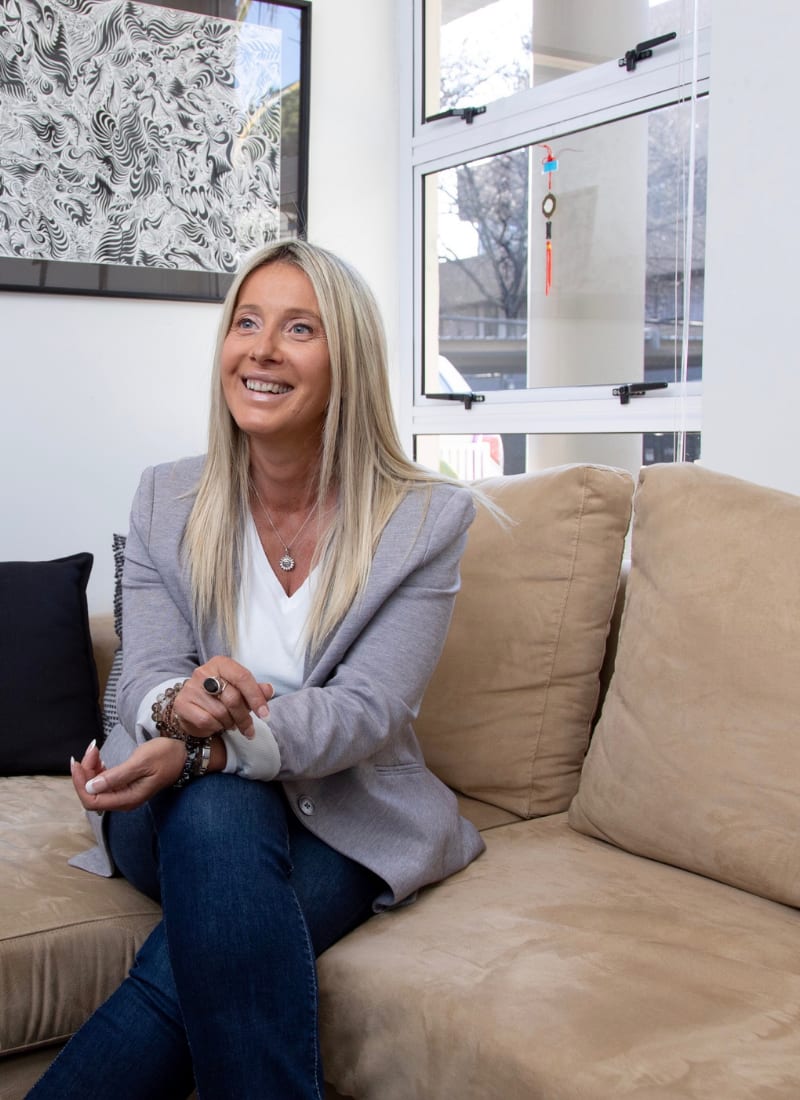
How the practice is guided
A calm structure for noticing, reflecting and practising new responses.
Notice
Sessions invite clients to notice body sensations, emotions and inner responses in a calm, guided setting.
Reflect
Guided reflection helps clients explore habitual patterns, recurring personal themes and limiting beliefs with curiosity and care.
Practise
Experiential exercises support clients as they practise new responses in support of personal goals and wellbeing.
Ready to Begin?
Book a SessionWhat would you like support with?
These are personal-development and wellbeing themes, not medical or psychological treatment claims.
Feeling stressed, overwhelmed or emotionally stuck
Finding it difficult to relax or feel grounded
Exploring recurring personal patterns or limiting beliefs
Building self-awareness and personal resilience
Creating a regular wellbeing or meditation practice
Learning complementary energy practices for personal development
Finding the appropriate practitioner for your needs
A complementary wellbeing practice
Sessions are guided in a supportive setting and may include body awareness, reflective conversation, grounding practices and experiential exercises.
The focus is self-awareness, personal resilience and practical integration in everyday life.
Support personal wellbeing, reflection and relaxation; not a substitute for clinical care.

What to Expect in a Session
Each Somatic Neuroplasticity session at Wings & Me is guided by Valentina Cortini-Nutt in a supportive experience designed to help you reconnect with yourself in a calm and grounded way.
You may be invited to notice body sensations, reflect on habitual patterns, explore personal goals and practise simple responses that support wellbeing in daily life.
The session is not a medical assessment, psychological diagnosis or rehabilitation programme. It does not replace care from an appropriately registered healthcare professional.
Session Details
- Duration: 1 hour
- Format: In-person at Wings & Me (Randburg, Johannesburg) or online via video call
- Availability: Clients are welcomed locally and internationally
Who This Is For
This practice is for adults who want to explore recurring personal patterns, build self-awareness, support personal resilience and develop a regular wellbeing or reflection practice.
Who This Is Not For
It is not a medical rehabilitation programme, psychological diagnosis or substitute for treatment by a registered healthcare professional.
Frequently Asked Questions
Straightforward answers about Somatic Neuroplasticity at Wings & Me.
- What is Somatic Neuroplasticity?
- Somatic Neuroplasticity is Wings & Me’s guided personal-development approach combining body awareness, reflection and experiential exercises. Sessions invite clients to notice body sensations, explore habitual patterns and practise new responses in support of personal goals and wellbeing.
- Is Somatic Neuroplasticity medical or psychological treatment?
- It is not a medical rehabilitation programme, psychological diagnosis or substitute for treatment by a registered healthcare professional.
- What can Somatic Neuroplasticity support?
- Somatic Neuroplasticity can support personal wellbeing, reflection and relaxation. It is intended for clients who want to build self-awareness, explore personal patterns and practise grounded responses in everyday life.
- What happens in a session?
- A session may include body awareness, guided reflection, gentle experiential exercises and practical integration. The focus is self-awareness and personal development, not diagnosis or treatment.
- Who is this not for?
- This approach does not provide emergency care and is not suitable as a substitute for medical, psychiatric or psychological treatment. Anyone in acute distress or with medical or psychological concerns should contact an appropriately registered healthcare professional.
Meet Your Guide
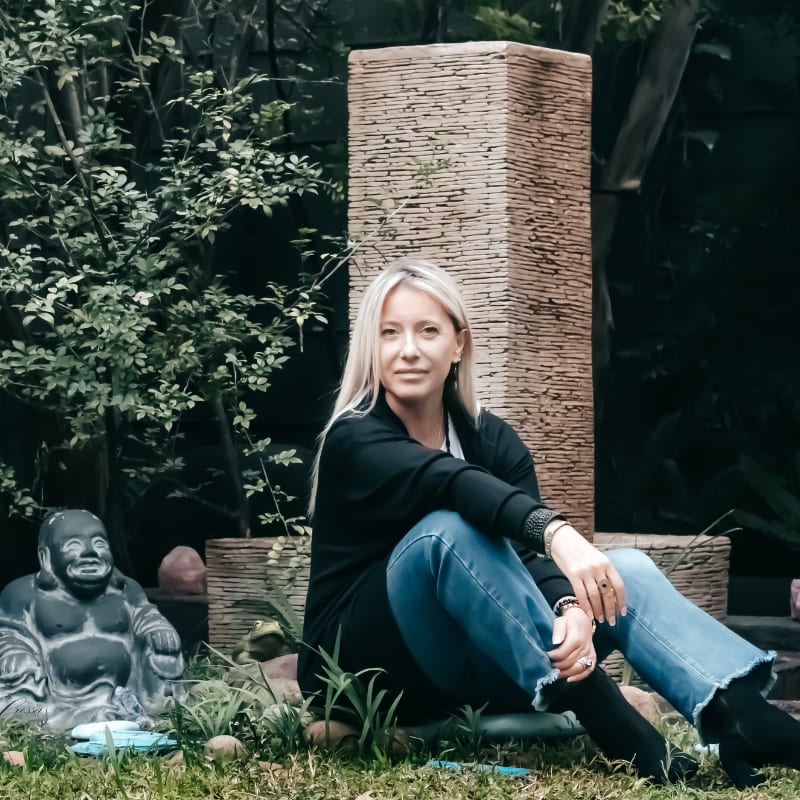
Valentina Cortini-Nutt
Founder of Wings & Me • Personal-development guide • Pranic Energy Healing Instructor
Valentina Cortini-Nutt is the founder of Wings & Me and the creator of Somatic Neuroplasticity, a guided personal-development approach combining body awareness, reflection and experiential exercises.
Her work is offered as complementary wellbeing support for clients who want to build self-awareness, explore recurring patterns and practise grounded responses in everyday life.
Valentina does not provide medical or psychological diagnosis, treatment or emergency care through Somatic Neuroplasticity sessions.

Begin with a Guided Conversation
Support personal wellbeing, reflection and relaxation; not a substitute for clinical care.